
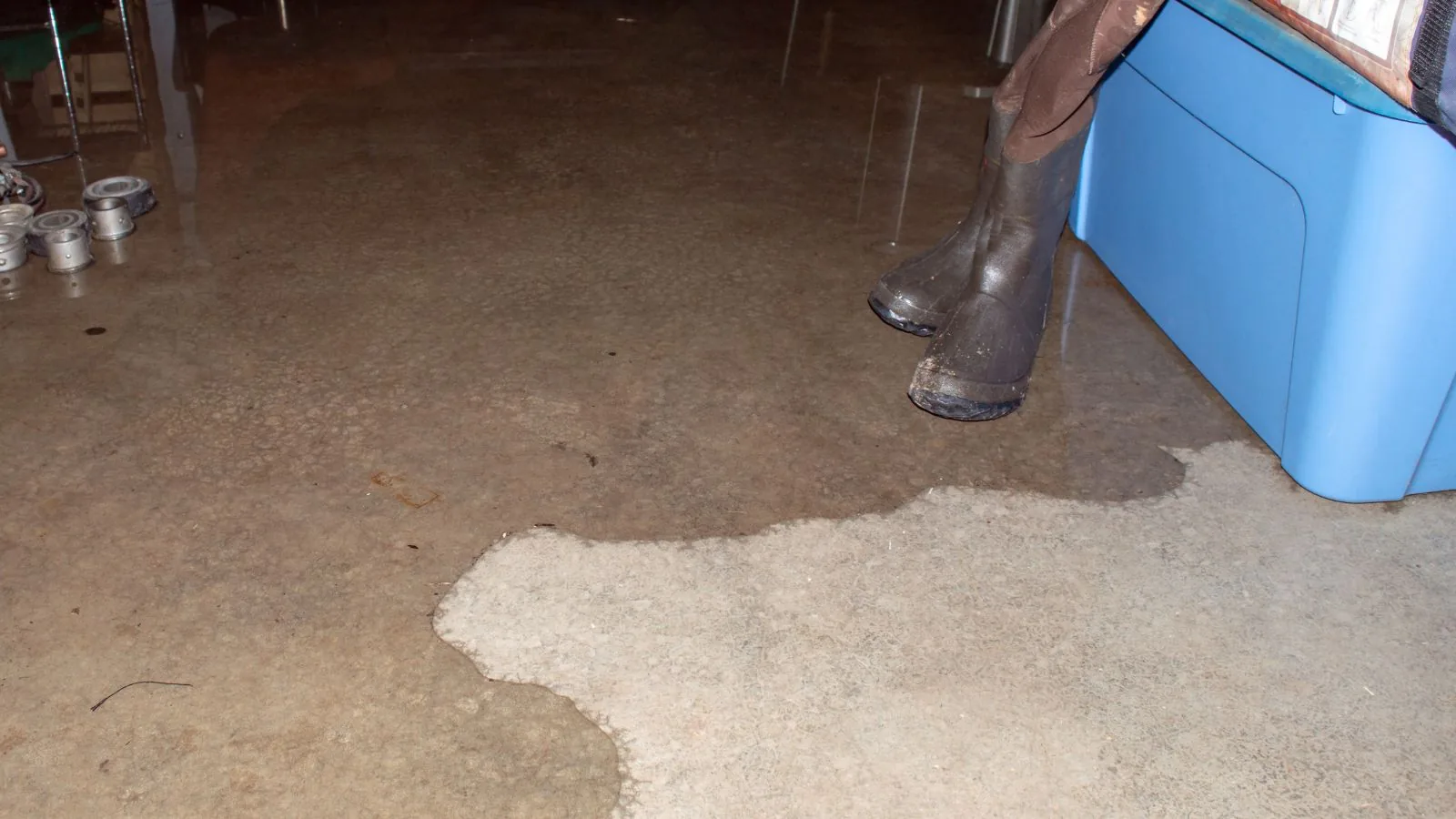
Carpet water damage restoration in Machesney Park, IL covers wet carpet, cushion and the subfloor underneath it. Carpet is made of layers, and water travels between them, so a surface that feels damp may be soaked underneath.
If carpet is wet, lift furniture off it and call. The water extraction page explains how bulk water is removed, and this page explains what happens next to the carpet itself.
Can wet carpet be saved?
The answer depends on three facts: the water category, how long the carpet stayed wet, and what the carpet is made of. Carpet that was soaked by clean water and extracted quickly can often be dried in place. Carpet that sat for days or was soaked by contaminated water usually cannot.
The pad underneath is a sponge, and it is often replaced even when the carpet can be kept. Pad is cheap compared to the cost of mold or odor that comes from damp cushion.
| Water source | Typical category | Carpet outlook |
|---|---|---|
| Supply line or clean leak | Category 1 | Often dried in place if caught fast |
| Washer or dishwasher drain | Category 2 | May be cleaned and dried, pad often replaced |
| Sewage or river water | Category 3 | Removed and discarded |
| Slow leak over weeks | Varies | Often removed because of mold risk |
What to do in the first hours
Lift furniture and place foil or plastic under legs so furniture stains do not bleed into carpet. Remove loose items and open windows or run fans if the weather allows. Do not walk on wet carpet more than needed, and do not use a household vacuum on it.
Photograph the room and any moisture readings. The clock matters, and EPA guidance says to dry water-damaged materials within 24 to 48 hours to help prevent mold growth.
- Lift furniture and protect legs from staining.
- Remove loose items and area rugs.
- Keep people and pets off wet carpet.
- Call quickly, because time affects whether carpet can be saved.
How carpet is extracted and dried
A weighted extraction wand pulls water from carpet and pad. Pad may be lifted and removed, while the carpet is rolled back and dried with air movers. A dehumidifier lowers room humidity so the carpet and subfloor keep releasing water.
Concrete and wood subfloors under carpet need to be dried too. If the subfloor is wet, the crew measures it and keeps equipment running until readings return to normal.
Water damage in progress? Call the 24/7 line and ask what to do before anyone arrives.
☎ Call (815) 314-9281 nowOdor, mold and carpet
Musty smells after a flood come from damp materials. Treating the carpet surface does not fix a wet pad. Antimicrobial treatment may be used on salvageable carpet, but material that stayed wet for a long time is often replaced.
If you see growth, the mold remediation page explains how the work is contained. Do not run a vacuum on moldy carpet, since it can spread particles.
Cost factors
Carpet jobs depend on area, category and time.
- Square footage and how far the water spread.
- Water category and time since the loss.
- Whether pad and carpet can be dried or must be replaced.
- Subfloor drying needs.
- Replacement carpet and installation, if needed.
Scope and price are explained before work starts. Call the 24/7 line and describe the room, the water and how long the carpet has been wet.
Insurance and carpet
Sudden losses that soak carpet are often covered by homeowners policies. Long-term moisture from slow leaks often is not, and flood damage is excluded and needs flood coverage. Ask your insurer what applies to your loss.
Keep a swatch of removed carpet and the pad if asked, and ask for a written scope that records water category and moisture readings.
Carpet in finished basements and older homes
Carpeted basements are common in village homes built before 1980. Carpet over a slab or in a lower level has little room to dry, so water in a basement often means carpet and pad are removed. The basement water damage page explains what that cleanup involves.
If your carpet got wet because of a ceiling leak above, the ceiling water damage page explains the source side.
Standards and sources behind this page
The ANSI/IICRC S500 standard for water damage restoration is the reference for deciding whether carpet and pad are dried or removed. It ties the decision to water category and time, and EPA guidance adds the 24 to 48 hour drying window.
Frequently asked questions
If the water was clean and the carpet is dried quickly, yes in many cases. If the water was contaminated or the carpet sat wet for days, replacement is usually better.
Often, yes. Pad holds water and dries slowly. Replacing it is much cheaper than dealing with mold or odor later.
A household cleaner is not an extraction unit. For more than a small spill, use professional equipment.
Often a few days for carpet and longer for the subfloor. The crew checks moisture readings and removes equipment when the readings match a dry reference.
Still deciding what to do next? The 24/7 line at (815) 314-9281 is answered at any hour, and you can describe the situation in plain words.