
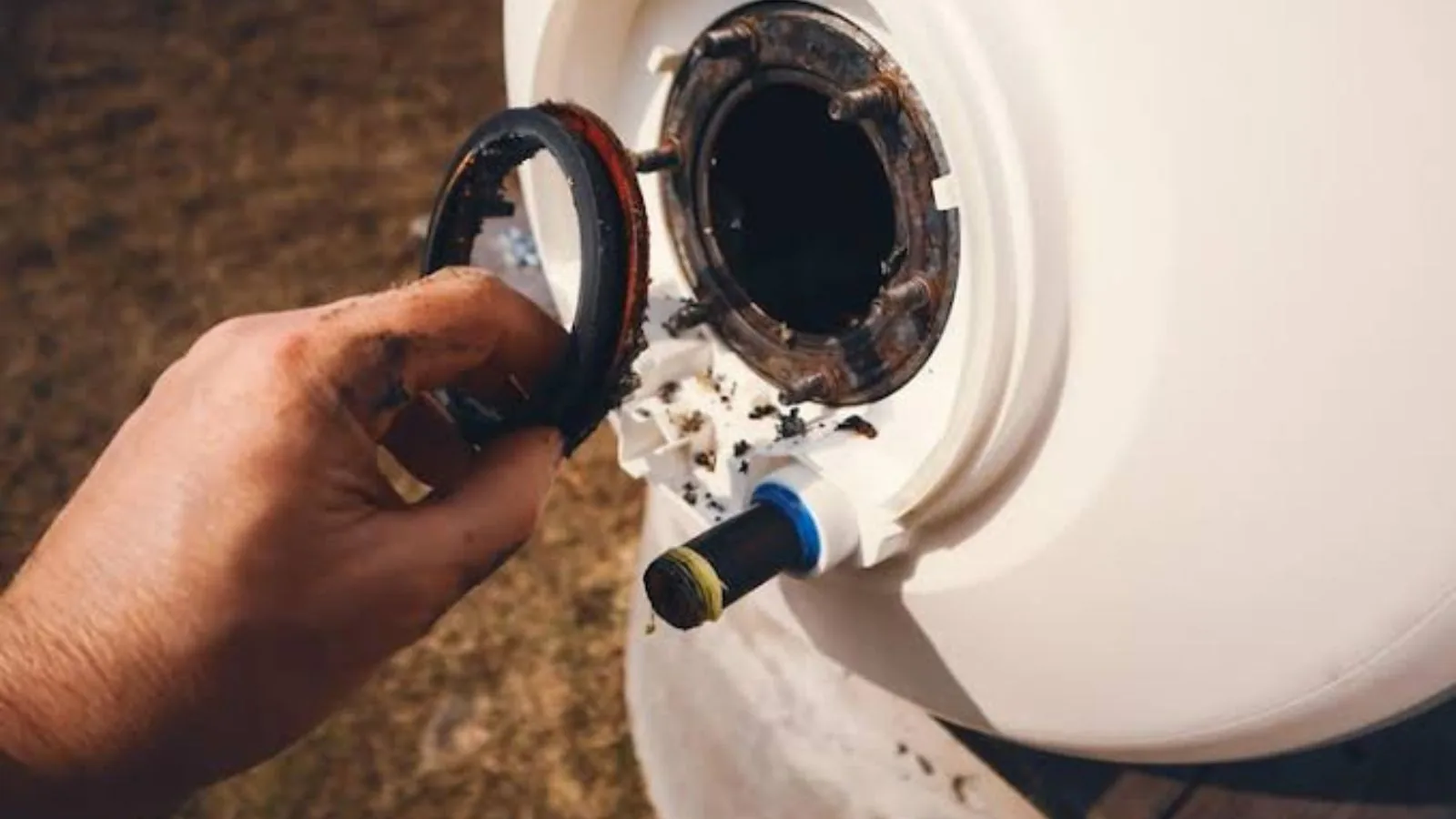
Water heater leak cleanup in Machesney Park, IL begins with shutting off the cold water supply to the tank and turning off power or gas to the unit. A failed tank can empty gallons across a basement or utility room, so call the 24/7 line once the water supply is closed.
This page is about the water heater as the source. For general standing water see water extraction, and for wider pipe failures see burst pipe cleanup.
What to do when the heater is leaking
Close the cold water inlet valve on top of the heater. If you cannot find it, close the main valve. For an electric heater, switch off its breaker. For a gas heater, turn the gas valve to off, and leave the house and call the gas utility if you smell gas.
Water from the tank can be very hot. Stay back from the base and any discharge line until it cools.
- Shut the cold supply valve at the tank or the main.
- Turn off power or gas to the unit.
- Keep people and pets away from hot water.
- Move stored items off the floor.
Why water heaters leak
Tank heaters corrode over time, and sediment in the bottom speeds that up. A pinhole leak at the tank wall usually means the tank is done and needs replacement. A drip from a fitting, valve or the temperature and pressure relief valve may be a repair.
A plumber handles the heater itself. Restoration deals with what the water touched. If the heater sits in a finished basement, see the basement cleanup page.
Where the water goes
Most heaters sit in basements, garages or closets. Water spreads across concrete and into adjacent finished walls, flooring and stored boxes. In a closet over a wood floor, water can seep into the subfloor and the room below.
Moisture mapping finds the edges. Because heaters are often next to furnaces and electrical panels, safety and fire risk matter. Do not wade through water near electrical equipment.
Water damage in progress? Call the 24/7 line and ask what to do before anyone arrives.
☎ Call (815) 314-9281 nowCleanup and drying
The crew extracts water, removes wet insulation and drywall base as needed, and dries framing and subfloors with air movers and dehumidifiers. Stored items are sorted into those that can be dried and those that cannot.
Drying continues until readings match a dry reference. Ask for readings in writing, which supports an insurance claim.
Warning signs before a tank fails
Water heaters often give hints before they fail. Rust-colored water from hot taps, popping or rumbling sounds from sediment, moisture at the base, and corrosion around fittings all point to a tank that is near the end of its life.
Look at the data label on the side of the tank to find the age. Many homeowners replace a tank on a schedule, before it fails. A drain pan with a drain line, placed under the unit, catches small leaks and sends larger ones to a floor drain.
- Rust-colored hot water or a metallic smell.
- Popping or rumbling from the tank.
- Moisture or rust at the base or at the fittings.
- A relief valve that drips regularly.
Gas and electric units need different safety steps
An electric heater must be disconnected from power at the breaker before anyone goes near it, because a heating element in a drained or leaking tank can burn out. A gas heater has a gas control valve, and the pilot or burner may need to be turned off.
If you smell gas at any point, leave the building, do not flip switches, and call the gas utility from outside. Restoration starts after the gas and water hazards are under control.
Cost factors
The size of the job follows the volume and spread of the water.
- How long the tank leaked before shutoff.
- Whether the water reached finished walls or flooring.
- The number of stored items affected.
- Days of drying.
- Heater replacement, which is a plumbing cost separate from restoration.
Scope and price are explained before work starts. Call the 24/7 line if you want to talk through your situation.
Insurance and water heaters
A sudden tank failure is often covered, but the heater itself may not be. Gradual leaks often are not. Check your policy and ask your insurer, and keep the old heater until your insurer approves disposal.
Take a photo of the data label with the age and model, since insurers often ask.
Heater leaks in Machesney Park homes
Age shortens tank life. If you have an older house, a water heater in the basement or a utility closet is a common site of surprise leaks. Check yours for rust, puddles and a hissing relief valve.
Neighbors in Loves Park and Rockford face the same risks. The Loves Park page explains how nearby areas are covered.
Frequently asked questions
If water is pooled around the base and the tank wall is wet or rusted, the heater is the likely source. If water is on a nearby wall, trace it upward.
A plumber can drain it safely. Do not drain a hot tank yourself.
Wet insulation usually has to be replaced because it holds moisture against framing.
It can be, if it is discharging steadily. Shut off the heater and call a plumber.
Yes. Tank failures do not wait for business hours. The dispatch line is answered 24/7, and same-day response is offered when available.
Still deciding what to do next? The 24/7 line at (815) 314-9281 is answered at any hour, and you can describe the situation in plain words.