
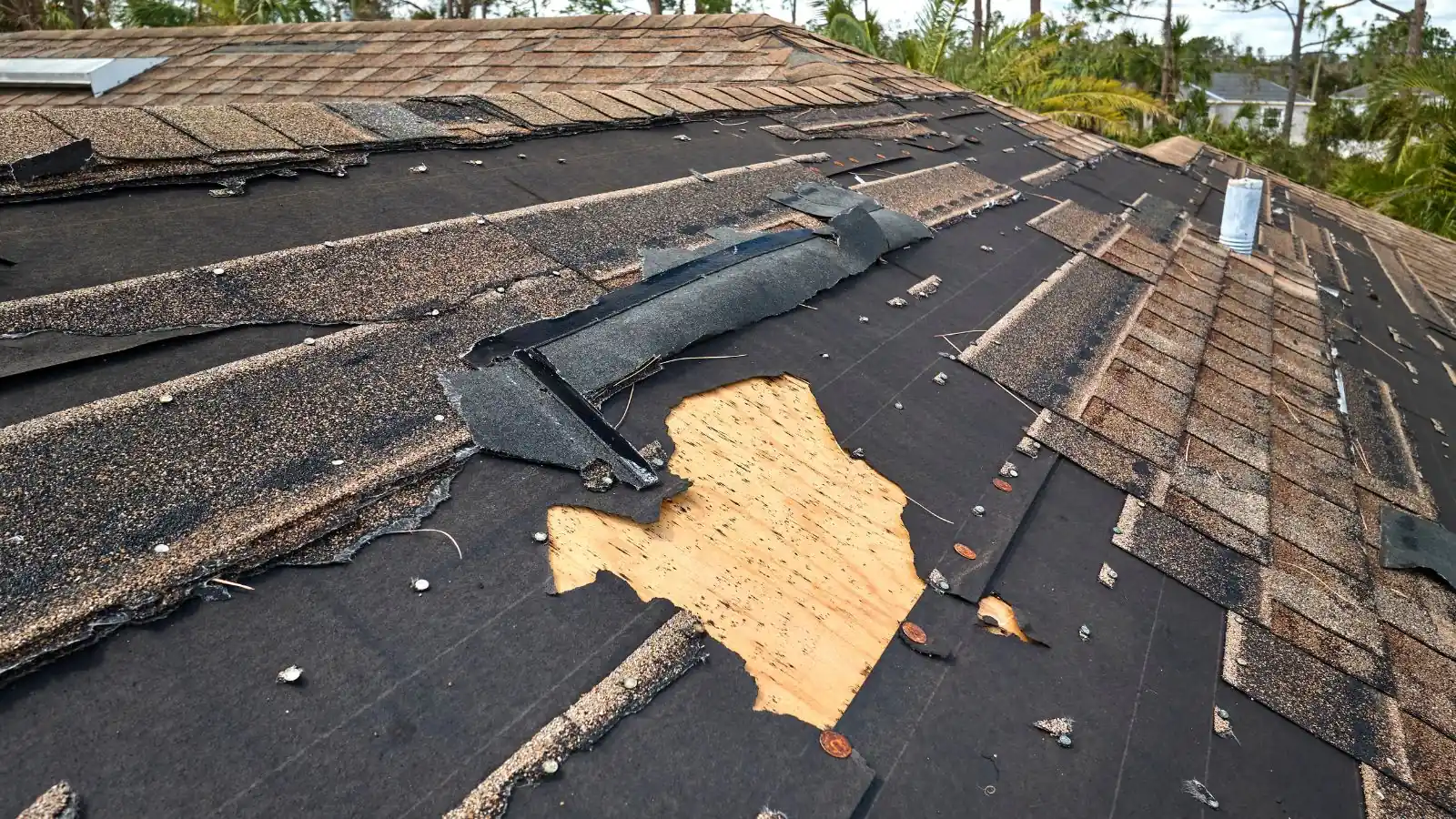
Storm water damage cleanup in Machesney Park, IL covers water that enters through roofs, windows, siding and doors during wind, hail and heavy rain. Cover openings if it is safe, move belongings away from water and call the 24/7 line.
Rising water from a river is a different case, covered on the flood damage page.
Storm emergency steps
Stay safe first. Do not climb onto a damaged roof or go near downed power lines. If you can reach an opening from inside, cover it with plastic sheeting or a tarp, and photograph the damage before you move things.
Call your insurer and a roofer for emergency tarping. A roofer limits more rain from entering, and restoration handles water that is already inside.
- Stay clear of downed lines and standing water near them.
- Cover openings only if it is safe to reach them.
- Move belongings away from leaks.
- Photograph damage before cleanup.
How storms let water in
Wind lifts shingles, hail dents flashing, and rain finds the gaps. Water enters attics and runs down walls and ceilings. Windows and doors can leak in wind-driven rain, and siding can fail at seams.
The result is often hidden inside walls and insulation, so moisture mapping matters even when the visible damage looks small.
Cleanup and drying after a storm
The crew extracts water, removes wet insulation and drywall, and dries the structure with air movers and dehumidifiers. A roofer repairs the building envelope, and a contractor rebuilds what was removed.
The ceiling water damage page covers ceiling-specific repair, and structural drying covers the drying itself.
Water damage in progress? Call the 24/7 line and ask what to do before anyone arrives.
☎ Call (815) 314-9281 nowWeather in the Rockford area
NWS climate normals for Rockford, 1991 to 2020, show 37.24 inches of precipitation and 37.1 inches of snowfall a year. That means rain, snowmelt and ice all challenge roofs and drainage in this area.
These normals are measured at the Rockford station, not at each house in the village, but they show that a mix of rain and snow is a normal part of the year.
Ice dams, snowmelt and winter storm water
Not every storm leak comes from rain. In winter, heat escaping into an attic melts snow on the roof, and the water refreezes at the eaves where the roof is colder. The ice forms a dam, and meltwater backs up under shingles and runs into the attic and down interior walls.
With roughly 37 inches of snow a year at the Rockford station, according to NWS normals, northern Illinois roofs deal with this kind of cycle regularly. Better attic insulation and ventilation reduce ice dam risk, but once water is inside, the cleanup is the same as for any roof leak.
- Do not chip ice off the roof yourself, since shingles and gutters are easy to damage.
- Look for stains on ceilings along exterior walls.
- Check attic insulation for dampness after a thaw.
- Call a roofer to relieve the dam and restoration to dry what got wet.
Documenting a storm loss for your claim
Take photographs of the roof, siding and windows from the ground, and of every wet interior surface. Note the date and time of the storm and when you first saw water. If a roofer tarps the roof, keep the invoice and photographs of the damage they found.
Your insurer may send an adjuster, and may want to see damaged materials before they are discarded. Ask before throwing anything out, and ask the restoration crew to record moisture readings so the interior scope matches the exterior damage.
Cost factors
Storm jobs depend on the size of the opening and how far the water spread.
- Roof or window repairs, billed by the roofer or contractor.
- Interior area that is wet.
- Insulation and drywall that must be removed.
- Drying days.
- Rebuild scope.
Scope and price are explained before work starts. Call the 24/7 line if you want to talk through what the storm did.
Insurance and storms
Wind and hail damage are often covered by homeowners insurance, and flood damage from rising water is not. Ask about any separate wind or hail deductible, and ask whether temporary repairs are reimbursed.
File promptly and keep receipts for emergency repairs. Photograph the roof damage and the inside damage together so the connection is clear.
Drainage and storm exposure in the village
The village stormwater page explains that runoff drains through storm sewers and ditches to the Rock River, and that sediment can clog drainage and raise flood risk. Heavy storms can still overwhelm drainage near low spots.
Homes just outside the village face similar exposure. See Roscoe and Rockton for how nearby areas are covered.
Frequently asked questions
A roofer does. Restoration handles water that has entered the building, and the dispatch line can help you sequence the two trades.
Often, but policies differ. Ask your insurer about deductibles and what documentation they need.
Immediately, to limit the spread. EPA guidance says to dry water-damaged areas within 24 to 48 hours to help prevent mold growth.
If it was soaked or sagged, usually yes. A small, dry stain may only need primer and paint after the roof is repaired.
Yes. Storms hit at night and on weekends. The dispatch line is answered 24/7, and same-day response is offered when available.
Still deciding what to do next? The 24/7 line at (815) 314-9281 is answered at any hour, and you can describe the situation in plain words.