
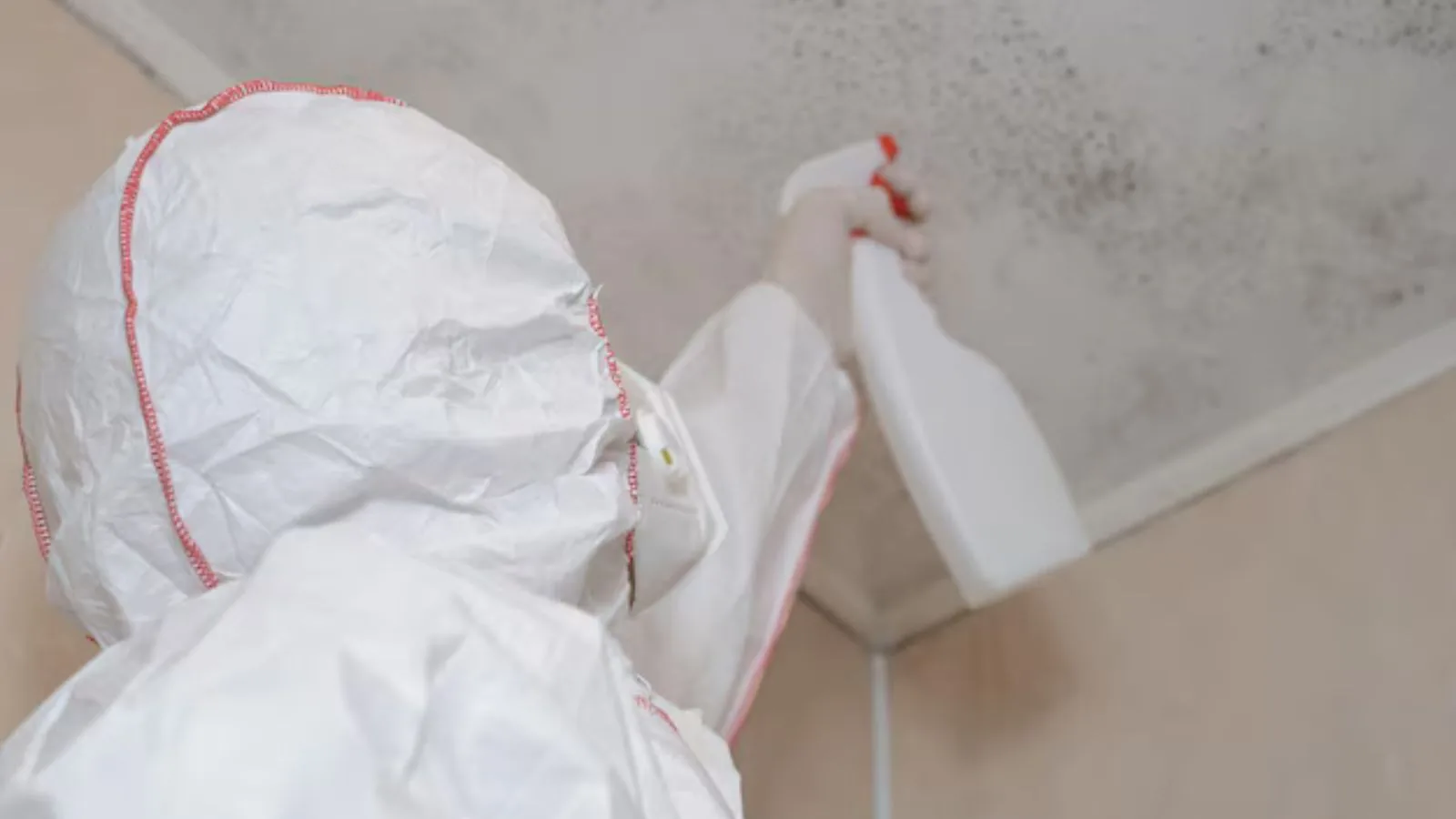
People search for how to kill black mold, but the better question is how to remove it safely and keep it from returning. Mold needs moisture, and dead mold can still cause allergic reactions, so cleaning and drying matter more than any single product.
This guide follows U.S. EPA guidance and is written for Machesney Park, IL homeowners with small areas of mold. Larger problems call for professional help.
What EPA guidance says about killing mold
The EPA says full sterilization is usually not possible or necessary, and that remaining spores will not grow once moisture is controlled. It also says dead mold can still trigger allergic reactions, so mold must be physically removed, not just killed.
That changes the plan. The job is to scrub, remove and dry, then fix the cause.
Bleach: what to know
The EPA does not recommend chlorine bleach as routine mold cleanup. Professionals may use biocides in specific cases. If you do use any disinfectant, ventilate the area and never mix bleach with ammonia or cleaners that contain ammonia, because toxic fumes can form.
On porous materials like drywall, bleach does not reach the roots and does little. Surface scrubbing with detergent and water works on hard surfaces.
Small area steps (under about 10 square feet)
The EPA says most people can clean a moldy area under about 10 square feet themselves. Wear gloves, goggles and an N-95 respirator if possible.
- Fix the water source first, or the mold will return.
- Scrub hard surfaces with detergent and water.
- Dry the area completely with fans and a dehumidifier.
- Discard porous materials like ceiling tile or carpet if they are moldy.
- Keep the area dry and watch for regrowth.
Water damage in progress? Call the 24/7 line and ask what to do before anyone arrives.
☎ Call (815) 314-9281 nowWhat not to do
Do not run a household vacuum over mold, because it can spread particles. Do not paint over mold, because it will grow through. Do not use the HVAC system if you suspect it is contaminated, and do not mix cleaning products.
Do not disturb a large area without protection. Cutting into moldy drywall releases a lot of material.
When the job is too big
The EPA says to call a professional in five cases. Mold covers more than about 10 square feet. There has been substantial water damage. The water was sewage. The HVAC may be contaminated. Or you have health concerns.
The mold remediation page explains how professional containment and removal works. Ask a physician about any health questions.
Why moisture control comes first
Mold cannot grow without moisture. Dry water-damaged materials within 24 to 48 hours to limit growth. Fix leaks, vent bathrooms, and keep indoor humidity under control.
If a recent leak caused the growth, structural drying is the step that stops it from coming back.
Why scrubbing beats spraying
A spray sits on the surface, but mold on porous material grows into it. Scrubbing with detergent and water lifts growth off hard surfaces and carries it away on the cloth, which is what the EPA describes. Drying afterward removes the water mold needs.
Use disposable rags or wash cloths in hot water after the job so spores do not spread to other rooms.
Protecting yourself and the house
Wear gloves, goggles and an N-95 respirator if possible, and open a window or run a fan that exhausts outside. Close the door to the room and seal vents so dust does not travel. Keep children, pets and anyone with breathing concerns out.
If you feel unwell during cleanup, stop and ask a physician. Health questions are not something a cleaning guide can answer.
A note on natural remedies
People often try vinegar, baking soda or tea tree oil. They may clean light surface growth on hard materials, but none replaces drying and removal. The EPA focus is on moisture control and physical cleaning.
Whatever you use, never mix cleaning products and ventilate well.
Machesney Park note: Illinois mold registration
Illinois passed the Mold Remediation Registration Act, Public Act 103-0893. The Illinois Department of Public Health says its requirements are not in effect until rulemaking is adopted, and that mold professionals are not currently required to register with IDPH.
Check the IDPH website for current status before hiring anyone, and ask any contractor about its training and process.
Black mold myths
Color alone does not tell you the type. Many molds look dark. The practical approach is the same for any mold: remove it, dry the area and fix the moisture source.
Testing is optional for visible growth and may be useful when you need documentation. Neighbors in Loves Park and Cherry Valley follow the same guidance.
Frequently asked questions
Vinegar is sometimes used on hard surfaces, but EPA guidance focuses on scrubbing with detergent and water and drying. Removal matters more than the product.
Color does not identify type. Health questions belong to a physician.
Yes if the moisture source remains. Fix the leak and dry the area.
For areas over about 10 square feet, sewage water, HVAC contamination or health concerns.
Not yet, according to IDPH, which says the registration requirements are not in effect until rulemaking is adopted. Check the IDPH site for updates.
Still deciding what to do next? The 24/7 line at (815) 314-9281 is answered at any hour, and you can describe the situation in plain words.