
Water damage in northern Illinois follows the calendar. Snowmelt and rain test basements in spring, storms test roofs in summer, leaves clog gutters in fall, and cold snaps test pipes in winter. This guide gives Machesney Park, IL homeowners a short checklist for each season.
None of the checks takes long, and they are cheaper than the repairs they prevent.
Spring: thaw, rain and sump pumps
Spring brings snowmelt and heavy rain. Test your sump pump by pouring water into the pit and watching it run. Check that the discharge pipe is clear and directs water away from the house. Look at basement walls for new damp spots.
If the basement does flood, see the basement page.
Summer: storms and humidity
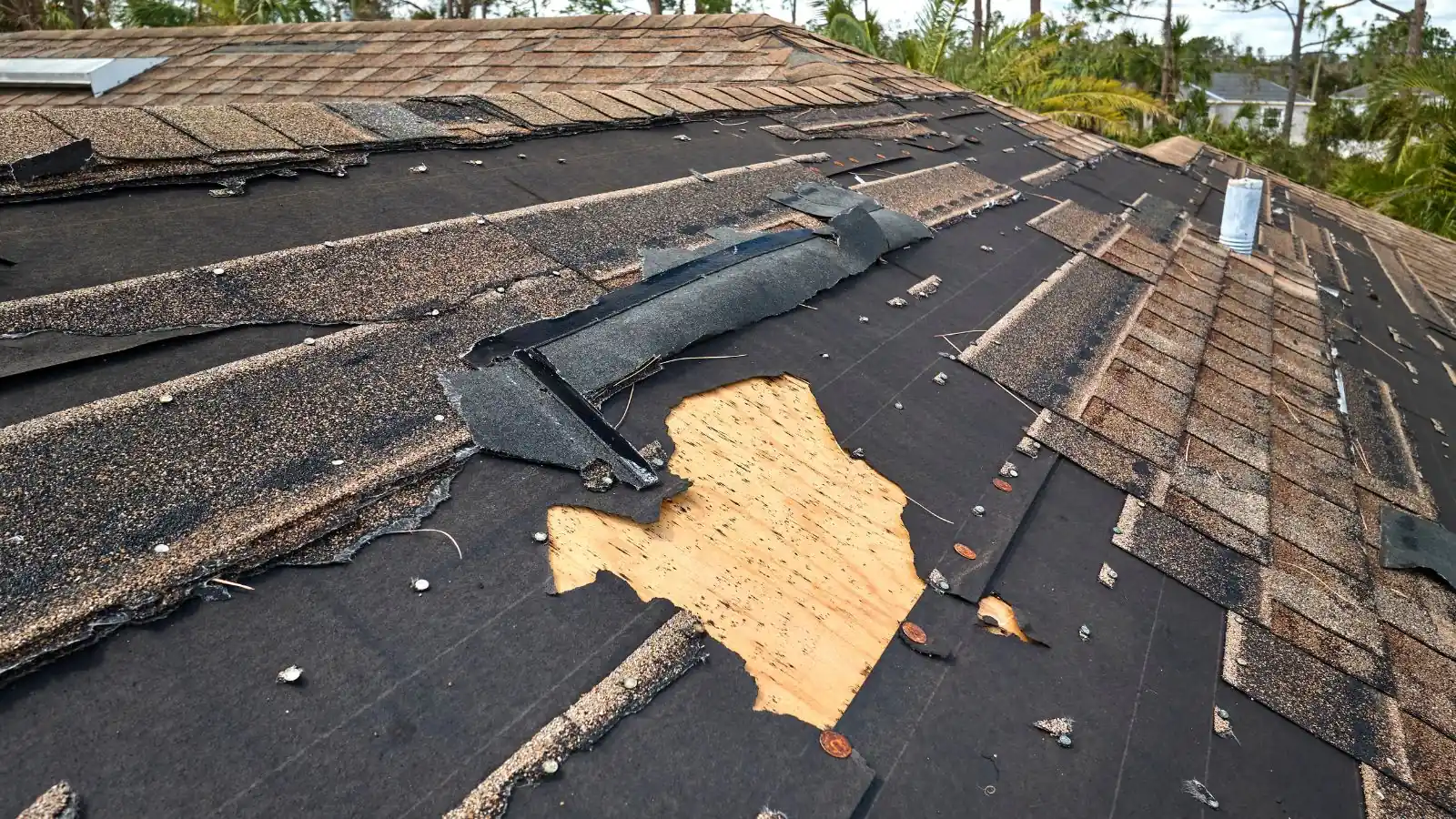
Summer storms can drop heavy rain quickly and damage roofs. Walk the attic after a storm, check for stains and damp insulation, and look for loose shingles from the ground.
Run a dehumidifier in damp basements, and check the AC drain line for clogs. The AC leak page covers that cause.
Fall: gutters and shutoffs
Clean gutters and downspouts so water does not spill at the foundation. Disconnect and drain garden hoses, and shut off outdoor spigots where there is an interior shutoff.
Check the water heater and its connections before the heating season starts.
Water damage in progress? Call the 24/7 line and ask what to do before anyone arrives.
☎ Call (815) 314-9281 nowWinter: freezes and ice
Insulate exposed pipes in garages, crawl spaces and exterior walls. Let faucets drip on the coldest nights if pipes are at risk, and know where the main shutoff is. Keep heat on when you are away.
The frozen pipe page explains what to do if a pipe freezes or bursts.
Yearly checklist
This table puts the checks in one place.
| Season | Check | Why it matters |
|---|---|---|
| Spring | Sump pump, basement walls | Thaw and rain |
| Summer | Roof, attic, AC drain | Storms and condensation |
| Fall | Gutters, hoses, water heater | Leaf clogs and early freezes |
| Winter | Pipe insulation, main shutoff | Freeze protection |
Check the shutoff and supply lines yearly
Once a year, turn each shutoff valve to be sure it moves, and replace old rubber hoses on washers and dishwashers with braided stainless connectors. Locate and test the main valve.
See appliance leak water damage for common failure points.
The thaw and refreeze cycle
Late winter often swings above and below freezing. Snow melts, water runs off roofs, and then it freezes again at the eaves. Ice dams form and can push water under shingles into attics and walls.
Keep gutters clear, and if ice builds up, look for ceiling stains below. The ceiling water damage page explains what those stains can mean.
Small habits that prevent big losses
Know where your main valve is, keep a flashlight and bucket by the basement stairs, store valuables off the floor in lower levels, and put a water alarm near the water heater and sump pit. These cost little and warn you early.
When you leave for a trip in winter, keep the heat on and ask someone to check the house.
A calendar you can copy
Put four reminders on your phone. In March, test the sump pump. In June, check the attic and AC drain. In October, clear gutters and drain hoses. In December, check pipe insulation and confirm the main shutoff.
Each reminder takes under half an hour. Together they cover the most common seasonal causes of water damage.
Storm night checklist
When a heavy storm is forecast, clear storm drains near your property, move valuables off basement floors, check that the sump pump is plugged in and running, and keep a flashlight handy. After the storm, walk the attic and basement.
If water gets in, stop the source if it is safe and call. The 24/7 line answers during storms.
Machesney Park note: the Rock River and stormwater
The Village of Machesney Park stormwater page says rainwater in the village runs directly into the Rock River, and the village operates a municipal separate storm sewer system under an Illinois EPA permit. The Village of Machesney Park 2040 Comprehensive Plan reports that more than 58 percent of village homes were built before 1980 and that a significant portion of the village lies in the 100-year floodplain of the Rock River.
Keep storm drains and ditches near your property clear of debris, and check the FEMA map for your address.
If something goes wrong anyway
Stop the water, photograph the damage and call. The 24/7 line takes calls at any hour, including storm nights.
Homes in Loves Park and Rockton face the same seasonal pattern.
Frequently asked questions
At least once a year, and before heavy rain seasons.
In fall, before the first hard freeze.
A yearly look, especially after storms, helps catch leaks early.
Many homeowners add a battery backup because storms can cut power. Ask a plumber or waterproofing contractor.
Heavy rain and snowmelt periods raise river and groundwater levels. The village is next to the Rock River, so spring and storm seasons deserve extra attention.
Still deciding what to do next? The 24/7 line at (815) 314-9281 is answered at any hour, and you can describe the situation in plain words.