
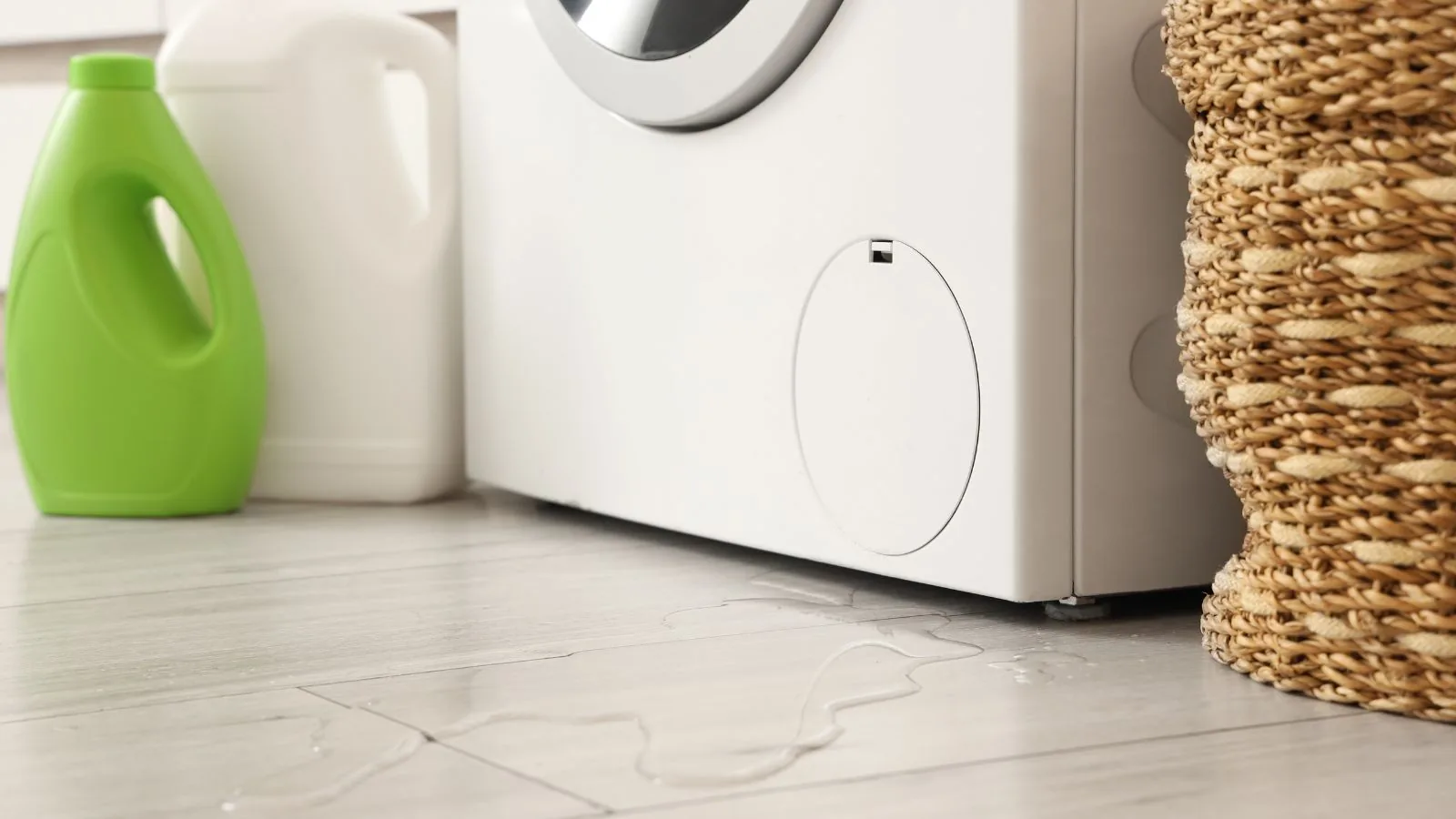
Water damage in a rental raises questions that owners do not face. Who calls for repairs, who pays, and what happens to belongings? This guide gives tenants and landlords in Machesney Park, IL a practical order of steps and a plain explanation of how coverage usually divides.
We are not lawyers. Your lease and Illinois law control your rights, and local legal aid or an attorney can answer legal questions.
Tenant first steps
Stop the water if it is safe to do so, using the shutoff under a sink or behind a toilet. Move belongings out of the wet area. Photograph and video the damage before anything is cleaned. Then notify the landlord or property manager right away.
Do it in writing, even if you also call. A text or email creates a dated record of when you reported it.
Landlord first steps
Respond quickly, shut off water to the affected area, and arrange drying. The longer wet materials sit, the more likely mold becomes. EPA guidance says to dry water-damaged areas within about 24 to 48 hours.
Notify your own property insurer, keep invoices, and give the tenant a clear contact for the repair.
Who covers what
Generally, a landlord's policy covers the building. A tenant's renters policy covers the tenant's belongings and may cover extra living costs. A landlord's policy does not cover the tenant's furniture, clothing or electronics.
Because of that split, tenants should confirm they have renters insurance, and landlords should confirm their policy matches the property.
| Item | Usually the landlord's policy | Usually the tenant's policy |
|---|---|---|
| Walls, floors, ceilings, plumbing | Yes | No |
| Furniture, clothing, electronics | No | Yes if renters policy |
| Temporary housing costs | Depends on policy | Depends on policy |
| Cleanup of structure | Yes | No |
Water damage in progress? Call the 24/7 line and ask what to do before anyone arrives.
☎ Call (815) 314-9281 nowWhen the tenant caused it
If the leak came from a tenant action such as an overflowing tub or a washing machine left running, the lease and policies may treat it differently. Be honest in reports, and keep records.
Disputes over cause are common. Moisture readings and photos help show what happened.
Mold in a rental
Report mold in writing along with the water source. Do not cover it up with paint. The mold remediation page explains how professional removal works.
If the dwelling is not safe to live in, ask your landlord or a legal aid office about your options.
Documenting for both sides
Take dated photos and video, keep all messages, save receipts, and note moisture readings if a crew takes them. A written scope from a restoration company helps both parties.
The water extraction page and the structural drying page show what a crew does on site.
Communication that protects both sides
Short, factual messages work best. State what happened, when you noticed, what you did to limit damage and what you need next. Attach photos. Keep the tone calm.
Landlords should reply in writing with a plan and a date. Tenants should keep copies. A clear paper trail resolves most disagreements before they grow.
Belongings, temporary housing and deposits
Tenants should photograph all damaged belongings and keep receipts. If the unit is not livable, ask your renters insurer about additional living expenses and ask your landlord in writing about the lease terms.
Do not assume the security deposit covers damage you did not cause. Keep move-in photos and condition reports if you have them.
Preventing the next problem
Landlords can schedule yearly checks of water heaters, supply lines and shutoffs. Tenants can report drips early, avoid overloading drains and keep furniture off damp floors.
Both sides benefit when small leaks are reported fast. The cost of a quick repair is far lower than drying a whole unit.
Move-in and move-out records
Photograph the unit at move-in, including under sinks, around the water heater and the corners of the ceilings. Those photos show what was already damaged and what was not.
Landlords benefit too. A dated condition report makes it easier to separate old damage from new.
Machesney Park note: older rental stock
The Village of Machesney Park 2040 Comprehensive Plan reports that more than 58 percent of village homes were built before 1980 and that a significant portion of the village lies in the 100-year floodplain of the Rock River.
Rental units in older buildings can have aged plumbing and water heaters, so landlords may want a yearly check of supply lines and shutoffs.
Nearby rentals
Rentals in Loves Park and Rockford follow the same pattern, though local rules may differ. Check your lease.
Call the 24/7 line and describe the situation in plain words.
Frequently asked questions
It generally covers your belongings from covered causes. It does not cover the building. Check your policy.
That is a legal question that depends on Illinois law and your lease. Ask legal aid or an attorney first.
Usually the landlord arranges structural drying. A tenant can ask for it in writing.
Quickly. Mold grows on wet materials in days, so report it right away.
Start with written notice to the landlord. For legal questions, contact a local legal aid office or an attorney. For safety issues, contact the village.
Still deciding what to do next? The 24/7 line at (815) 314-9281 is answered at any hour, and you can describe the situation in plain words.